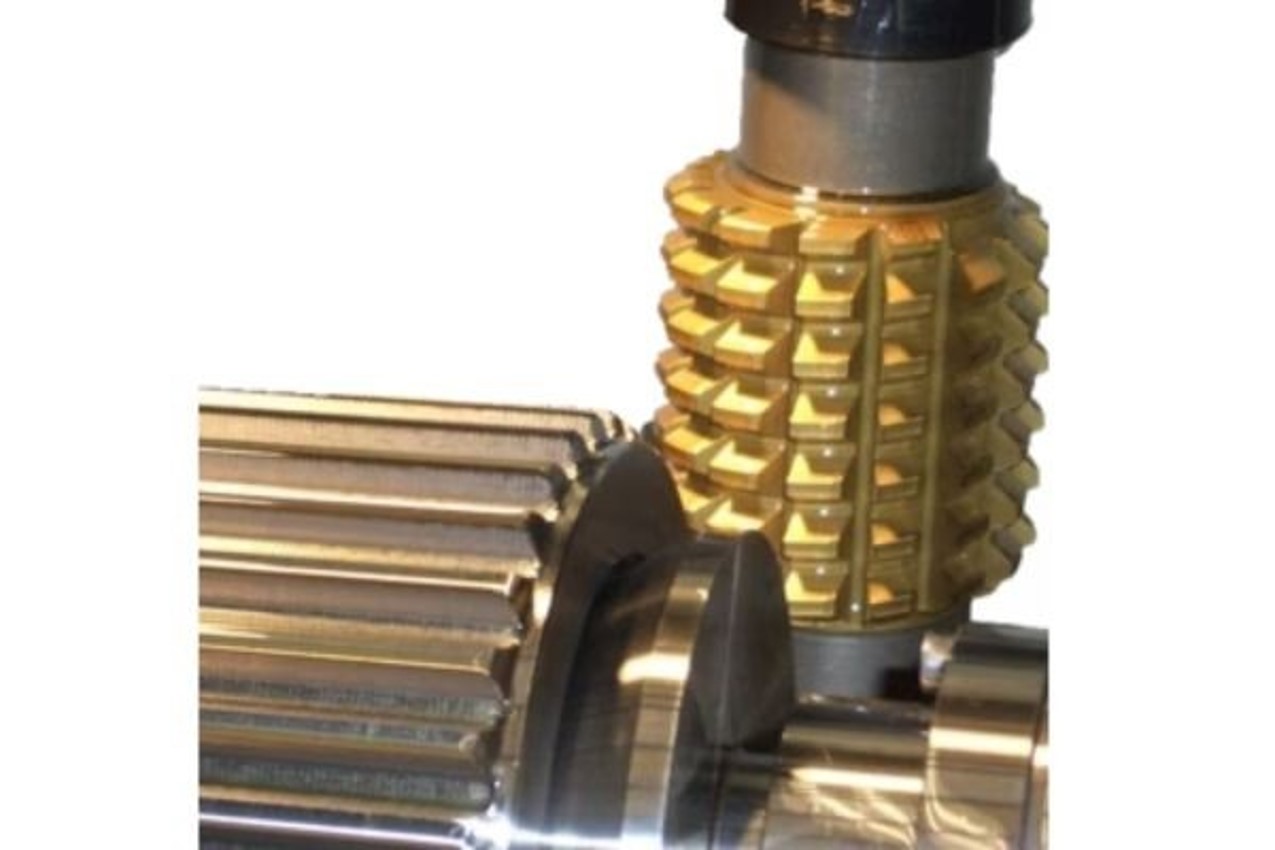
There is something deeply satisfying about watching a gear take shape. Tooth by tooth, layer by layer, until perfect geometry emerges from raw metal. If you have ever stood next to a gear hobbing machine while it runs, you already know that feeling. And if you have not, trust us, it stays with you.
But today we are not just talking about the machine. We are talking about the decision that comes before it.
What Does a Gear Hobbing Machine Actually Do
Simple answer. It cuts gear teeth into a blank workpiece using a rotating tool called a hob. The hob and workpiece spin together in perfect sync. The result is a precisely cut gear, spur, helical, worm, whatever the job demands. Remove these machines from the equation and half the mechanical world stops turning. Literally. Gears live inside cars, wind turbines, food processing lines, printing presses. Every place where motion transfers, a hobbing machine made it possible.
Why Smart Workshops Are Rethinking This Investment
More and more plant managers and small manufacturers are asking a very honest question. Do we really need to spend a fortune on brand new equipment when precision engineering already solved this problem decades ago? For many of them, the answer is no. A used gear hobbing machine from the 1980s or 1990s, built in Germany, Switzerland or Japan, was made with a level of care that is genuinely hard to find today. Heavier castings. Tighter tolerances. Machines built to last. And they did last. Some are still running production shifts right now.
The Real Cost Conversation Nobody Has Out Loud
A brand new CNC gear hobbing machine can cost several hundred thousand euros. For a small or medium workshop, that kind of outlay changes everything. Cash flow. Loan pressure. Margin on every single job. Now think about what a well maintained, professionally inspected used machine can offer. The same output. The same tight tolerances. The spindle still runs true. The only difference is the age of the paint on the housing. And the savings go straight back into your business, into tooling, skilled staff, a better coolant system. That is where real growth actually comes from.
What to Look For Before You Commit
Start with the spindle. Run it at different speeds and listen. Not just with your ears but with your whole body. Good spindles are quiet and smooth. Bad ones tell you immediately. Then check the table for wear patterns. A machine used for one type of job its whole life shows wear in specific places. Not always a problem, but it tells you something important about fit. Ask about the history. Was maintenance done on a schedule or only when something broke? A machine from a disciplined production environment is worth far more than the same model from a place where maintenance was an afterthought.
The Unexpected Value That Comes With Age
Older gear hobbing machines often come with something new machines simply cannot offer. Institutional knowledge. Paper manuals that actually explain the machine in full. Service technicians who have worked that exact model for thirty years and know every quirk by heart. New machines come with software and support contracts. Older machines come with a community of people who genuinely understand the iron. For workshops without a full engineering department, that knowledge network is worth a great deal.
One Last Honest Thought
Good manufacturing decisions are rarely about the newest thing. They are about the right thing. The machine that fits your work. The investment that makes sense for your scale. The equipment you can actually understand, maintain and run well. Sometimes the wisest purchase in the room is the one with a few years on it, because somebody else already paid for the learning curve. That is worth something. More than most people realize until they are standing next to a running machine, watching a gear take shape, and thinking quietly to themselves: yes, this was exactly the right call.