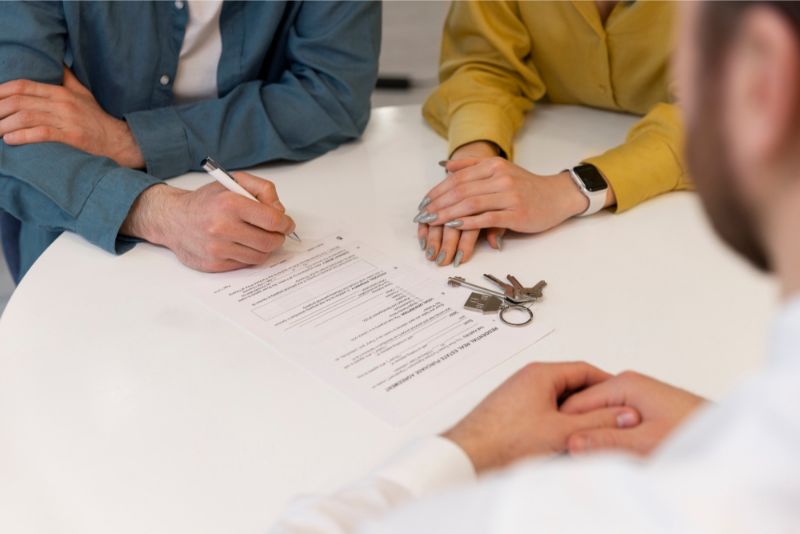
Moving out is stressful enough without worrying if your landlord will hold onto your security deposit. You clean, pack, and carefully hand over the keys, only to get a vague “we’ll review it” message and then… nothing. Weeks go by. You call. You email. Still nothing. And suddenly you’re wondering if you’re just out of luck.
The good news? Most of these situations can be avoided—or at least handled—if you understand the system a little better and take some simple steps along the way.
Know the rules before you move in
The first step to protecting your deposit is understanding the rules in your state or city. Different places have different timelines for returning deposits and specific rules about what can legally be deducted. If you know these ahead of time, you’re already ahead of the game.
Another important point is your lease agreement. Sounds obvious, but a lot of renters skim over deposit clauses. That section tells you what counts as damage, how cleaning is defined, and how disputes are handled. Keep a copy handy—this will be your roadmap if things get tricky.
Document everything, every step of the way
Photos are your best friend. Take pictures when you move in, during your stay, and before you hand over the keys. Walls, floors, appliances, and even the tiniest scratches. Not only does this protect you, it also gives you confidence that you have proof if questions come up.
When you notice damage or problems during your lease, report them in writing. A quick email or text that gets documented could save you headaches later. Even small things count. A thread of communication is like a paper trail for your sanity.
Tips for the move-out process
Before you leave, think like a landlord for a moment. Walk through your unit as if you’re inspecting it as an outsider. Clean every corner, replace burnt-out bulbs, and fix minor things you can. The small stuff often makes the biggest difference in how your deposit is assessed.
Make sure you return keys and any access cards and keep a record. Even a small disagreement over something like this can delay your deposit. Timing is everything here.
When things get complicated
Sometimes, despite your best efforts, disputes happen. The landlord keeps part of the deposit without explanation or delays beyond the legal timeline. That’s when consulting a security deposit lawyer can be useful.
A lawyer can help you understand if your rights are being respected and what steps you can take. The goal is not to create conflict—it’s to know where you stand and make informed decisions. Just understanding the rules often leads to faster resolution.
Understanding the process with expert help
Companies like DepositLaw specialize in helping renters figure out deposit disputes without turning it into a full-blown legal battle. They focus on clarity, timelines, and documentation. Knowing what’s required and how to present it often makes landlords more cooperative.
Most deposit disputes aren’t about fighting—they’re about missing information. Lease clauses, move-in photos, communication history. Having everything lined up makes it easier to get what’s yours without stress.
Keep calm and be prepared
Deposit disputes are emotional because money is tied up and moving is already stressful. But approaching the situation calmly can make a huge difference. Don’t rush to send angry emails. Gather information first, ask clear questions, and focus on facts.
Treat it like solving a puzzle, not winning a battle. Little details—dates, emails, photos—are more powerful than frustration or emotion.
Wrapping it up
At the end of the day, a security deposit is about fairness, not luck. Protect yourself with knowledge, records, and a clear plan. And if things go sideways, know there’s guidance available to help you navigate it.
Moving should feel like a fresh start, not a headache. By taking these steps, you can leave your old place behind with confidence and peace of mind—and maybe even get that deposit back faster than you expected.