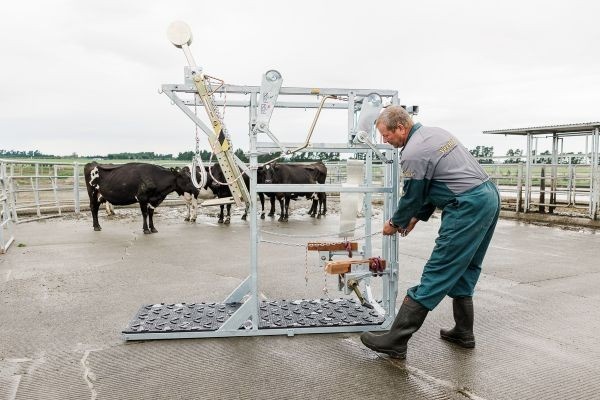
Do you want to make your cattle farm a safer place? Many farm accidents and livestock injuries happen during routine tasks that seem harmless. Whether you are moving cattle, carrying out health checks, or maintaining equipment, small improvements in your daily practices can significantly reduce risks for both animals and workers. Relax! Creating a safer farm does not always require major investments or a complete overhaul of your facility. Instead, it starts with paying attention to detail and adapting habits that encourage efficient livestock handling.
Simple Hacks to Enhance Cattle Safety in Your Farm
Improve Your Livestock Handling Practices
The way you handle cattle impacts their behaviours and overall safety. Loud noises and sudden movements can increase stress. Nervous animals are more likely to kick, charge, or attempt to escape. Take time to move cattle calmly and patiently. Allow them to walk at their own pace and avoid overcrowding races or holding pens. It is also important to invest in reliable handling equipment that supports safe and efficient operations. You can also work with a trusted cattle crush supplier to choose equipment that suits your farm’s needs.
Keep Walkways and Working Areas Safe
A clean and organised farm is a safer farm. Uneven surfaces, loose gates, broken fencing, mud, and cluttered walkways can increase the risk of slips, trips, and injuries. These hazards not only affect farm workers but also cattle moving between different areas of the property. Regular inspections help identify problems before they become serious. Repair damaged gates, replace worn flooring where necessary, and ensure pathways provide a secure footing.
Focus on Regular Hoofcare
Poor hoof health can lead to pain, reduced mobility, and changes in behaviour that make animals harder to handle. Limping cattle may become reluctant to move or react unpredictably during routine handling. A regular hoof inspection helps you identify issues before they become severe. Work with an experienced professional to ensure hoof care is carried out safely and efficiently. Invest in durable hoofcare tools for contractors to maintain consistent performance during trimming and treatment.
Invest in Ongoing Staff Training
Regular training helps everyone understand safe livestock handling techniques, emergency procedures, and proper equipment use. Ensure new employees receive clear instructions before working with cattle. Encourage open communication to ensure workers feel comfortable reporting hazards or suggesting improvements to existing safety procedures. A well-trained team works more efficiently and makes better decisions under pressure.
Improving cattle safety does not always require large-scale changes. Often, the biggest improvements come from small, consistent actions that become part of your everyday routine.