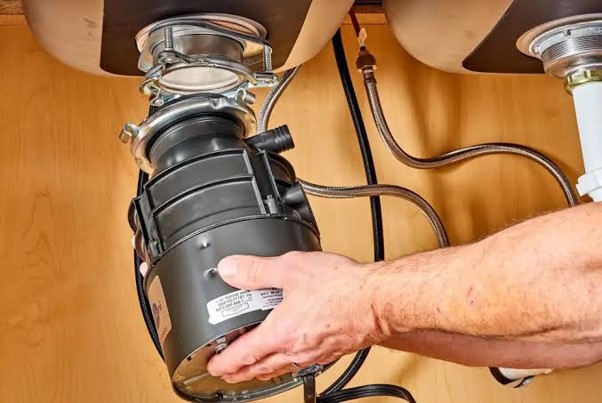
A garburator is one of those kitchen appliances that quietly makes everyday life easier. It helps clean up after meals, cuts down on food waste, and saves you from scraping every little bit into the garbage. Because it works so well most of the time, it is easy to forget it even exists. Then one day it starts making strange noises, refuses to turn on, or leaves water sitting in the sink, and suddenly it has your full attention.
The good news is that most garburator problems do not appear out of nowhere. They usually start with small warning signs that are easy to overlook during a busy week. Learning what those signs mean can help you deal with the issue before it becomes a larger plumbing problem. Knowing when to consider garburator installation and repair services is not just about fixing a broken appliance. It is also about protecting the plumbing system connected to it.
Strange Sounds Should Never Be Ignored
A healthy garburator makes a steady grinding sound while it is running. If you suddenly hear loud rattling, metal scraping, or repeated clunking, something is probably not right.
Sometimes a small object like a spoon or bottle cap accidentally finds its way inside. Other times the internal parts may simply be wearing out after years of regular use. Either way, unusual sounds deserve attention before more damage occurs.
Slow Draining Can Point to a Bigger Issue
Many homeowners assume that standing water always means the garburator has failed, but that is not always the case. Food scraps, grease, or fibrous materials can slowly collect inside the drain pipe, reducing water flow over time.
If water drains slowly even after the unit has finished running, there may be a developing blockage somewhere in the plumbing system. Ignoring it could eventually affect other drains in the kitchen as well.
Certain Foods Can Create Problems
Not everything belongs inside a garburator. Coffee grounds, cooking grease, eggshells, pasta, rice, celery, onion skins, and other stringy foods can all contribute to clogs or unnecessary strain.
Many people are surprised to learn that even small amounts of these materials can gradually build up over time. Developing good kitchen habits often prevents many of the common issues homeowners experience.
Leaks Should Be Checked Quickly
Water around the base of the garburator is never something to ignore. Leaks may come from loose plumbing connections, worn seals, damaged housings, or other components that have reached the end of their service life.
Even a slow leak can damage cabinets, flooring, or nearby storage areas if left unnoticed for too long. Catching these problems early usually makes repairs much simpler.
Skilled Experts Look Beyond the Appliance
Although a garburator sits under the kitchen sink, it is connected to a much larger plumbing system. A problem with drainage, water flow, or nearby pipes may contribute to the symptoms homeowners notice first.
That is one reason experienced professional plumbers take time to inspect the surrounding plumbing instead of focusing only on the appliance itself. Looking at the complete system often leads to longer lasting solutions rather than temporary fixes.
Frequent Resets Mean Something Is Wrong
Most garburators include a reset button that helps restore operation after the motor becomes overloaded. While using it occasionally is perfectly normal, needing to reset the unit repeatedly usually indicates a deeper issue.
Constant motor overloads may point toward worn internal components, improper use, or a blockage preventing the unit from operating efficiently. Repeated resets should not become part of your regular kitchen routine.
Think Ahead Instead of Waiting for Failure
Many homeowners only think about garburator installation and repair services after the appliance stops working completely. By that point, meal preparation becomes inconvenient, sink drainage slows dramatically, and unexpected repairs often feel much more stressful.
Paying attention to small changes in performance allows you to make thoughtful decisions before the situation turns into an emergency. Planning ahead usually saves both time and frustration.
Simple Habits Help Extend Its Life
A few everyday habits can make a surprising difference. Run cold water while using the garburator, allow water to continue flowing for a few seconds after switching it off, avoid forcing large amounts of food into the unit at once, and keep hard or fibrous materials out whenever possible.
These simple routines reduce unnecessary strain on the appliance and help keep both the garburator and your plumbing system working more efficiently over the long term.
Final Thoughts
Garburators are dependable kitchen helpers, but like any hardworking appliance, they benefit from proper care and attention. Watching for unusual sounds, slow drainage, leaks, or repeated resets can help you identify problems before they become expensive repairs. A little awareness and a few good habits go a long way toward keeping your kitchen running smoothly, reducing stress, and helping your plumbing system stay in good condition for years to come.