There is a shift happening in how architects, project managers, and business owners approach commercial fit-outs. For years, flooring was treated as a late-stage decision. Something selected after the walls, lighting, and furniture were locked in. A budget item that got squeezed when costs ran over.
That thinking is changing. And the reason it is changing comes down to one simple realization: what happens at floor level shapes almost every other aspect of the user experience in a commercial space.
The Gap Between Aesthetics and Function
For a long time, commercial flooring decisions leaned heavily on aesthetics. Does it look good? Does it match the design brief? Does it photograph well for the press release? These are not bad questions, but they are incomplete ones.
The businesses that get flooring right are the ones asking a different set of questions alongside the aesthetic ones. How much foot traffic does this area handle daily? What contaminants are being tracked in? What are the slip risk factors in wet weather? How will this surface hold up in twelve months?
When you start answering those questions seriously, the selection process looks very different. And the solutions that emerge from that process tend to outlast and outperform the ones chosen purely on appearance.
What Good Planning Looks Like in Practice
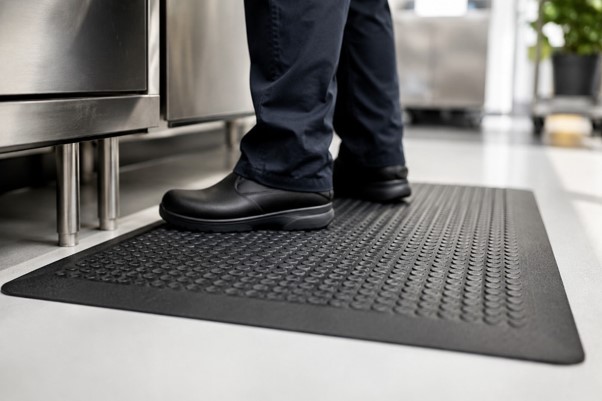
Thoughtful matting solutions for commercial projects are not selected off a shelf without context. They are specified based on actual site conditions, traffic patterns, and the unique demands of each zone within a space. A retail entrance has different requirements than a back-of-house service corridor. A hotel lobby faces different challenges than a corporate office reception area.
Getting this right requires treating matting as part of the design brief rather than an afterthought. That means involving the right suppliers early, understanding what materials are appropriate for specific conditions, and making decisions based on lifecycle performance rather than just upfront cost.
The Branding Opportunity Most Businesses Miss
One of the most underutilized opportunities in commercial space design is the entrance mat. For businesses in retail, hospitality, and professional services, the entrance is prime real estate. Every single visitor passes through it. Every delivery, every client, every potential customer encounters it.
The best branded floor mats for shop entrances do two things simultaneously that most businesses never realize they can achieve in one product. They manage the practical reality of dirt, moisture, and traction at a busy entry point, and they reinforce brand identity at the exact moment a visitor is forming their first impression.
A custom mat with your logo, brand colors, and a clear visual identity costs a fraction of most marketing investments. But it works every hour the business is open, silently doing its job for every person who walks through the door.
The Long Game Wins Every Time
Commercial project decisions that prioritize quality and function over short-term savings consistently deliver better outcomes over time. Flooring that performs for years without replacement, injury claims that never happen, maintenance costs that stay predictable — these are the returns that make good flooring decisions financially sound, not just aesthetically pleasing.
The businesses that figure this out early end up with commercial spaces that are easier to manage, safer for everyone inside them, and more impressive to the people who visit. That combination is hard to beat.