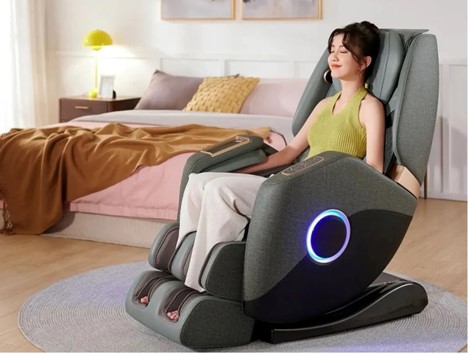
Most people spend so much time rushing through daily life that they barely notice how exhausted their body feels anymore. Long office hours, endless scrolling, stressful commutes, and poor posture slowly build tension without people properly realising it. By the end of the week, shoulders feel stiff, sleep feels lighter, and even relaxing starts feeling difficult. That is probably why more people searching to buy massage chairs in the UK are no longer treating comfort as some luxury idea. It is becoming part of normal everyday wellbeing instead.
The strange thing is that most adults only pay attention to recovery after they feel completely burnt out. Until then, they simply keep pushing through tiredness like it is part of modern life. The body adapts to stress quietly, which is why people often forget how good proper relaxation can actually feel until they finally experience it again.
Why Home Comfort Has Become More Important Than Ever Today
Most tension builds slowly over time
Stress rarely arrives all at once. It usually builds quietly through habits people barely think about. Sitting badly at desks, carrying tension in the shoulders, standing for long hours, or constantly staring at bright screens all slowly affect the body.
The difficult part is that discomfort eventually starts feeling normal. Many adults walk around with stiff muscles and poor sleep for years without stopping to properly recover. That is why smaller relaxation habits matter far more than people expect. Even simple moments of rest can help the body reset after busy days.
Proper rest feels different from just sitting down
A lot of people confuse downtime with genuine relaxation. Sitting on the sofa while checking emails or endlessly scrolling through social media does not really allow the mind or body to switch off. Proper recovery usually feels calmer than that.
It often comes from creating an environment where the body feels comfortable enough to finally let go of physical tension. Softer lighting, quieter evenings, and less screen time before bed can genuinely improve how people feel both mentally and physically over time.
Small changes usually work better long term
One reason many wellness routines fail is because they ask people to completely change their lifestyle overnight. Strict schedules and complicated routines rarely last once life gets busy again. Simpler habits tend to stick because they naturally fit into everyday routines.
That could mean stretching for ten minutes before bed, taking short walks during the day, drinking more water, or simply making evenings less overstimulating. These small habits may not look dramatic, but they often improve wellbeing much more consistently than extreme routines people abandon after two weeks.
Some people who focus more on comfort at home also decide to buy calf massager products to help ease tension after long standing hours or physically demanding days. For many people, it is not about luxury at all. It is simply about helping the body recover more comfortably at the end of stressful weeks.
Wellness does not need to look polished
The internet has made self care feel strangely perfect. Everywhere people look, there are expensive routines, unrealistic habits, and polished wellness lifestyles that barely resemble normal life. In reality, most adults are just trying to feel less exhausted physically and mentally.
That is why realistic wellbeing matters more than performative wellbeing. Rest does not need to look impressive to help. Sometimes it simply means turning your phone off earlier, sitting quietly for a while, or giving your muscles proper time to relax after long days.
The body notices those small changes more than people realise. Better sleep, calmer moods, improved focus, and lower stress levels often start with simple comfort habits repeated consistently over time.
People are learning to value recovery more
There has definitely been a shift in how people think about recovery now. A few years ago, slowing down was often seen as laziness. Today, more people understand that proper recovery is part of staying healthy, productive, and emotionally balanced.
The body cannot constantly operate under pressure without eventually reacting. That is why creating moments of calm during the week matters. Even small periods of relaxation help people feel more patient, more rested, and far less overwhelmed by daily responsibilities.
A calmer evening changes the entire day after
Evenings play a bigger role in wellbeing than many people realise. If the body never gets a chance to properly unwind at night, stress quietly carries into the next morning. Over time, that cycle leaves people feeling permanently tired even after sleeping.
Creating calmer evenings does not need expensive changes or complicated routines. Most of the time, it is about reducing noise, slowing down mentally, and allowing the body enough space to recover before another busy day begins.
Conclusion
At the end of the day, comfort is not something people should feel guilty about prioritising. Most adults already spend enough time feeling rushed, overstimulated, and physically tense without ignoring recovery as well. Small moments of proper relaxation can completely change how people sleep, think, and move through everyday life.
Sometimes the healthiest thing anyone can do is simply slow down long enough for the body and mind to finally breathe again.