For a while, skincare became way too complicated. Every week there was a new trend, another miracle ingredient, or some ten step routine people claimed would completely change your skin overnight. Most people tried to keep up with it, spent too much money, and honestly ended up more confused than before. But lately, things have started shifting in a different direction. People are slowing down and paying attention to products that feel more natural, more grounded, and a lot less overwhelming. They want ingredients they can recognize and routines they can actually stick with without turning skincare into a second job.
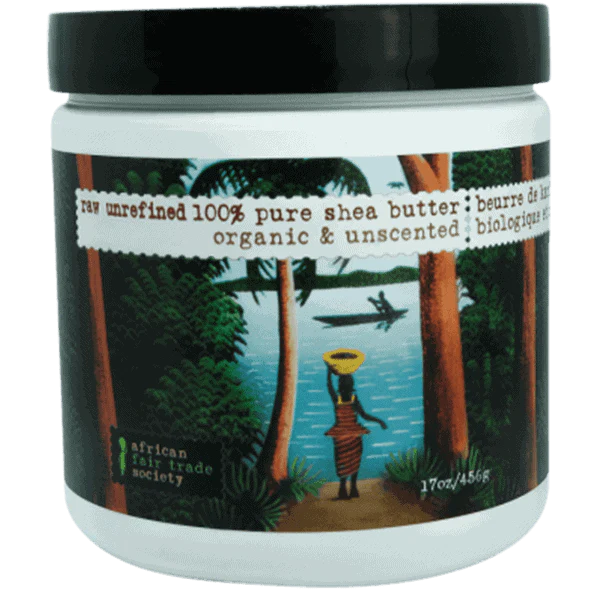
One thing that keeps coming up in conversations around natural skincare is pure organic shea butter. Not because it suddenly became trendy on social media, but because people genuinely appreciate products that feel simple and nourishing without a bunch of extra stuff added in. Companies connected to ethical sourcing and fair trade practices, like African Fair Trade Society, have also helped more people understand where traditional skincare ingredients come from and why those roots matter. Their work focuses on sourcing shea butter from communities in Senegal and Ghana while supporting education, healthcare, and local economies in West Africa.
Sometimes Your Skin Just Wants Less
A lot of people think they need stronger products every time their skin changes. If the skin gets dry, they add another cream. If it gets oily, they buy another cleanser. Then suddenly there are fifteen bottles sitting on the bathroom shelf and none of them really seem to help consistently. The truth is that skin usually responds better to balance than overload. Simple routines often work because they give the skin space to settle down instead of constantly reacting to new ingredients every few days.
That is probably one reason natural body care keeps becoming more popular again. People are tired of routines that feel exhausting. They want products that fit into normal life without needing complicated instructions or perfect timing. A simple moisturizing routine after a shower or before bed feels manageable. And when something becomes easy to maintain, people are much more likely to stay consistent with it long term.
There is also something comforting about using ingredients that have been part of traditional wellness practices for generations. Long before skincare became an industry filled with marketing buzzwords, people were already using natural oils and butters to protect their skin from dry climates and harsh weather. Those routines were built around care, patience, and practicality instead of quick fixes. That mindset still feels refreshing today.
Why Ethical Sourcing Matters More Than Ever
People are paying closer attention now to where products actually come from. They do not just want clean ingredients. They also want to know whether the communities producing those ingredients are being treated fairly. That awareness has become a huge part of the conversation around natural skincare and wellness products over the past few years.
Organizations connected with fair trade shea production often work directly with women in West African communities, helping create steady income opportunities and supporting local development projects. Many people like knowing their skincare choices can connect back to something meaningful beyond appearance alone. It makes the routine feel more personal and less disposable.
There is also growing respect for the amount of work behind traditional shea production. Discussions online often highlight how physically demanding the process can be and how much skill goes into preparing shea butter traditionally. Once people understand that side of the process, they tend to appreciate these products differently. It stops feeling like just another beauty item sitting on a store shelf.
Healthy Skin Usually Starts With Small Habits
Most skincare improvements do not happen because of one expensive product. They usually come from small habits repeated consistently over time. Drinking enough water every day, sleeping properly, managing stress better, and using gentle products regularly can honestly change the way skin feels more than people expect.
Another thing people often forget is how much the weather affects the skin. During colder months, skin naturally loses moisture faster. During hotter seasons, heavier products may suddenly feel uncomfortable. Learning how your skin reacts throughout the year is more useful than copying somebody else’s routine online. Everybody’s skin responds differently depending on lifestyle, climate, and stress levels.
Simple nighttime routines are often underrated too. Washing your face gently, applying moisture before bed, and giving yourself even a few quiet minutes away from screens can create a healthier rhythm overall. Skin tends to respond well when the rest of your body feels more balanced too. That connection gets overlooked all the time.
Going Back to What Feels Real
One reason natural skincare continues growing is because people are craving authenticity again. They want products connected to real traditions, real communities, and real ingredients instead of endless marketing promises. That does not mean every natural ingredient works perfectly for every person, but many people appreciate the simplicity and honesty behind these routines.
At the end of the day, healthy skin is not usually about perfection. It is about consistency, patience, and learning what actually works for your own body without constantly chasing trends. Sometimes the routines that last the longest are the ones that feel the most natural and easiest to trust.